Category Archives: Tutorial

Pulled out of shape

I have a sweater that I totally love.  It’s flattering and a really pretty color.  It goes with just about everything. I love wearing it.

But.

It gets pulls in it if you look at it wrong.

I don’t know if it’s the yarn or the stitch pattern, but something about this sweater makes it super easy to pull.  Velcro on my backpack  will totally mess it up, and I’ve accidentally zipped it in my rain coat more times than I would like to admit.

Luckily, pulls aren’t too hard to fix, if you’ve got two minutes and a tiny bit of patience.

First of all: Don’t cut them off!!  (I’ve had folks offer to cut off my pulls, and that makes me freak out.  There’s nothing scarier than a non-knitter coming at my favorite sweater with a pair of shears.  Holes in my beautiful sweater?  No!  *Shudder*)

OK, so here’s my pull.  It was kind of fluffy, because it got velcro-ed, so I tugged on it a little bit to straighten out the fibers in the pulled ply so I could see what I was doing.

OLYMPUS DIGITAL CAMERAThis pull is only one ply of yarn, so I have to get the rest of the plys out of the knitting to match this problem one.  Look at the knitting at the bottom of the pull to find the rest of the strand of yarn.  See it there?   (If your pull is a whole strand of yarn, skip this step.)

OLYMPUS DIGITAL CAMERAI used a tiny sock needle to really yank on the yarn to get the whole strand to match the single ply.  This will seem wrong, disturbing and uncomfortable.  It will look worse before it gets better, but I promise, it will get better.

OLYMPUS DIGITAL CAMERANow, here comes the fun part.  Look to either side of your super-duty pull.  See where the stitches are all tight from all your yanking?  Use your needle to start moving yarn from the pull to either side and loosening up the stitches.

OLYMPUS DIGITAL CAMERAKeep moving along, tugging the tight stitches and evening out the yarn to make them match the rest of your knitting.

OLYMPUS DIGITAL CAMERAOnce you’ve gotten most (if not all) of the pull redistributed, give your knitting a good tug in a couple of direction to set the stitches.

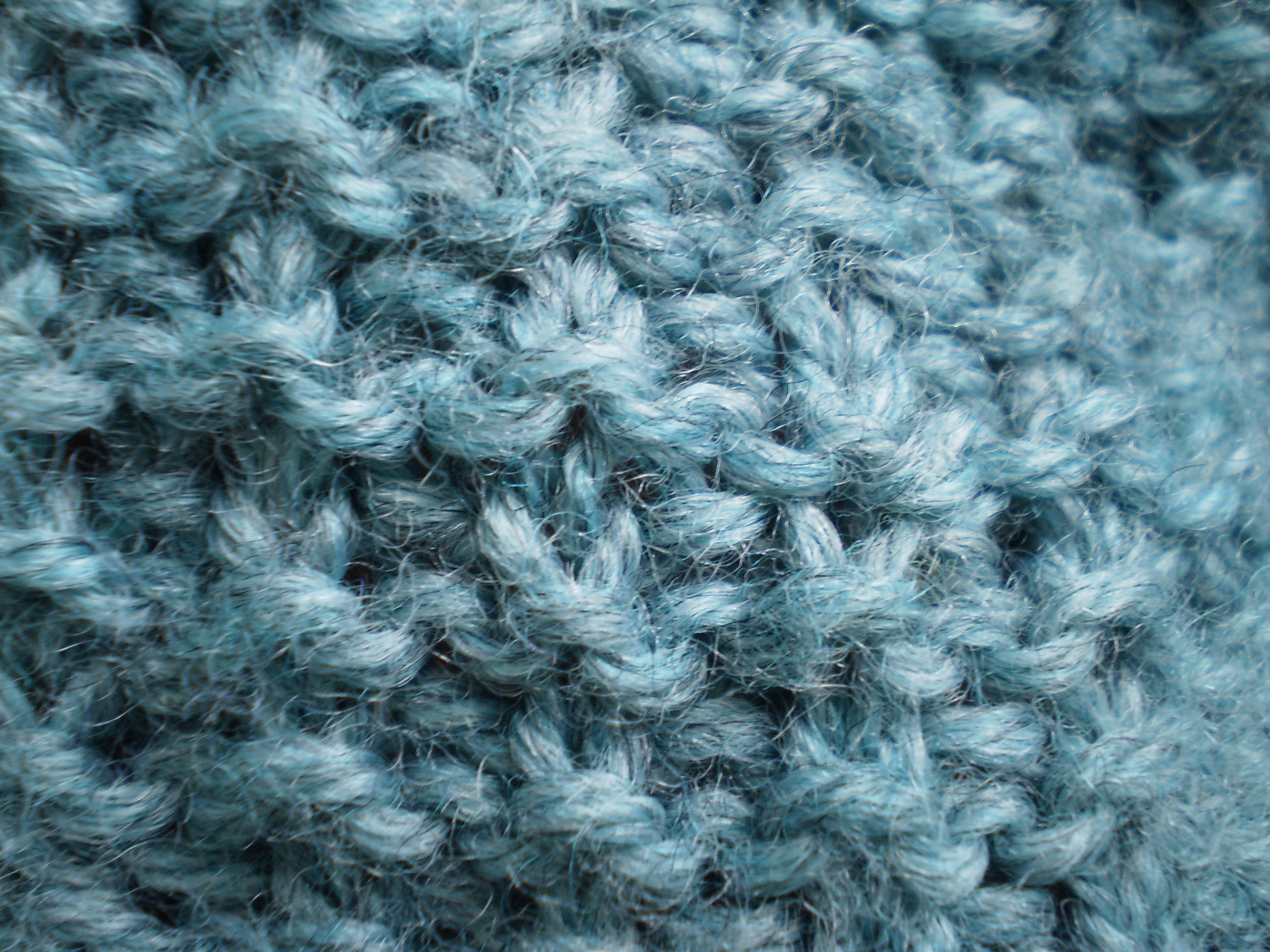
And, voila!  Your sweater is good as new!
OLYMPUS DIGITAL CAMERA

Stellar’s Jay Cardigan: That’s All She Wrote

It’s the end of an era!  The project has been finished and I am just a little bit cozier than I was before. (And just in time for it to start feeling distinctly fall-ish around here.)

I finished my Stellar’s Jay Cardigan.  I added my zipper, and, when my extra yarn arrived, finished up the missing arm and grafted it in place.  I blocked it out and pretty much haven’t taken it off since.

The Knit Picks Swish Worsted is so fluffy, cozy and soft.  And, it’s machine washable, so I don’t worry about wearing it all the time.  The only problem with the yarn is that it’s so soft that it’s already starting to pill in the armpits, but that’s not a huge problem, I can just remove the pills as they come up.

I couldn’t be happier with how this sweater has turned out!

10613109_10204684791023698_4021516135016481273_n(Sorry for the slightly weird photo.  I just spent fifteen minutes trying to take a decent selfie of the sweater.  Let’s just say that there are simply days when photos shouldn’t/won’t happen.  Instead, here’s a snapshot that a friend of ours took of my husband and me.  Maybe if the photography gods smile on me later, I’ll add a more traditional sweater photo later.)

Tutorial: Shawl Pins

I’ve got shawls on the brain. When I wear a shawl, especially if it’s a particularly oddly-shaped one, I like to break out a shawl pin.  You can find super fancy ones, but basically a shawl pin is a stick of some kind that you use to hold knitwear in place (I’ve been known to use pencils, chopsticks and knitting needles in a pinch). There are as many kinds of shawl pins as there are shawls, all gorgeous, most expensive.

So, in the name of DIY Cheapskate-y-ness, let’s make some functional, fashionable, and simple shawl pins.  An accessory for your accessory… what’s not to love?

Here’s what you’ll need:

  • A ¼-inch dowel
  • Small hacksaw (or other dowel-cutting implement)
  • Pencil sharpener
  • Sandpaper (I used 120-grit)
  • Acrylic paint
  • Paintbrush

OLYMPUS DIGITAL CAMERAStart by cutting your dowel into pieces. I made my pins about 5 inches long, but you could go longer or shorter, depending on what you like.

OLYMPUS DIGITAL CAMERAThen, sharpen one end of each pin with the pencil sharpener.

OLYMPUS DIGITAL CAMERAGrab a piece of sand paper and sand your shawl pin until it’s nice and smooth (get rid of anything that could catch on your shawl and make a hole. No bueno). Sand the point down a little bit so that it isn’t dangerously pointy, and don’t forget to smooth out any corners on the other end, too.

OLYMPUS DIGITAL CAMERABrush off any sawdust, and break out the acrylic paints. I like how they look when they’re mostly wood with just a pop of color on the end, but feel free to experiment. How about stripes? Polka dots? Let the paint dry, and you’re ready to go.

OLYMPUS DIGITAL CAMERAGrab a shawl (or scarf, or cardigan) and pin away.

OLYMPUS DIGITAL CAMERA

Dying With Food Coloring, Part 3

Now let’s really have some fun!  Variegated yarn is my favorite to make… it’s sort of like finger-painting, or tie dying.  But with yarn.  Fabulous!


Start out by soaking your yarn in some nice warm water (like usual).  When it’s thoroughly soaked, get out a big baking dish and line it with a piece of plastic wrap (mine is pink, because it’s left over from Christmas, when, apparently, you can buy pink plastic wrap).  Then, arrange your yarn neatly in the dish, so that it’s all nicely laid out.

OLYMPUS DIGITAL CAMERA

Set your yarn aside for a couple minutes while you put together your materials for your dye.  This is going to be a little different than how we’ve done it before, so it helps to have everything ready.

Here’s what you need to get out:

-A glass measuring cup with a spout.  If you don’t have one, that’s OK.  You can use a mug or something else heat-proof, but having a spout keeps everything neat.

-A bottle of vinegar

-Food coloring of your choice

-A spoon or butter knife for mixing

-A kettle (or pot) of boiling water (the boiling part is important)

OLYMPUS DIGITAL CAMERA

Ready to start?  You’ll have to work kind of fast, so you might want to read over the instructions before you begin.

Mix your dye.  The dye needs to be much more concentrated than the dye we used before, since we’re hardly using any water.  Here’s what I used (more or less.  You know me, I like to eyeball my measurements):

-1/2 cup of boiling water

-1/2-1 tsp of vinegar

-Food coloring to make the shade I want.  For this colorway, I probably used about a 1/4 teaspoon of each color… more or less.

Mix it together with your spoon.  If you’re using the gel food coloring, try to get rid of any lumps or chunks (but it’s not the end of the world if you miss some).

OLYMPUS DIGITAL CAMERA

While the dye is still super hot, dribble it artistically over your yarn.  (You want to move fast, so that the residual heat from the boiling water sets the color right away.  If you wait for the dye to cool, you’ll end up with muddier, mixed up colors.  Of course, if you want to go for a mushy, water-color look, then feel free to experiment.)  When you dye a section of the yarn, try to dye all the strands in the bundle.  This way your whole skein will end up with more or less the same color pattern.  But, again, feel free to experiment.

OLYMPUS DIGITAL CAMERA

Add your other colors one by one:OLYMPUS DIGITAL CAMERA

And keep going until you like how the yarn looks (or until you run out of white spaces… whichever comes first):

OLYMPUS DIGITAL CAMERA

So, assuming you did everything right, most of the dye has already been taken up by the yarn.  But, as you can see above, some dye might still be hanging around in the liquid.  We can’t have that.  So, we’ll use the microwave to add a little more heat and finally set the colors.   Bundle the plastic wrap around the yarn, making a fiber-arts burrito:

OLYMPUS DIGITAL CAMERATransfer your burrito to a microwave-safe plate or bowl.  Pop the whole thing in the microwave, and zap it for 1 minute at a time.  Every time you pull it out of the microwave, let it sit for a minute or two, then check to see if the water has turned clear.  Once it has, rinse out the yarn with warm water, and hang it up to dry.

Fun, right?

OLYMPUS DIGITAL CAMERA

Dying With Food Coloring, Part 2

Let’s start at the beginning, and make us some semi-solid yarn.  I’m going to try to make some black yarn.  Now, when you shoot for black yarn, you usually end up with really really really really dark purple or blue, but I’m OK with that.

The process is really similar to dying yarn with Kool-Aid, with a few small differences.

OLYMPUS DIGITAL CAMERA

When you go to make up your dye bath, fill your non-reactive pot with plenty of water and a good glug of vinegar.  I’ve probably got about a half gallon of water, and about a tablespoon of vinegar.  You don’t really have to measure.

OLYMPUS DIGITAL CAMERAThen, add in your food coloring.  Add as much or as little as you want.  I’m trying for a really dark color, so I probably added just under a teaspoon.  If you’re going to try to get a couple skeins of the same color, you’ll want to measure carefully.  But, I’m just making the one, so I can play loosey-goosey.

OLYMPUS DIGITAL CAMERASoak your yarn in warm water.  When your dye bath is steaming and just on the verge of simmering, turn the temperature down to medium/medium-high.  Add the wet yarn all at once and give it a gentle stir with a spoon.

OLYMPUS DIGITAL CAMERALet your yarn hang out in the dye bath until all the color is taken up.  I used a TON of food coloring for this yarn, so it probably took a good half hour to take up the dye.  (Also, it’s almost impossible to take a good picture of yarn in a dye bath.  This was the best one of about 15 photos.  Frustrating.)

When the water turns clear, tip the yarn into a clean colander in the sink and rinse it out thoroughly with clean, warm water.  Make sure you get all the vinegar out.

OLYMPUS DIGITAL CAMERAHang your yarn up to dry!

Dying with Food Coloring, part 1

I’ve been getting requests to do a dying with food coloring tutorial for a while now (Hi Mom!), so let’s do it.  Dying with Kool-Aid is fun and all, and leaves your knitwear smelling fruity fresh, but there is a very limited color selection with it.  And, unless you’re six years old, you probably don’t want a “Blastin’ Berry Cherry” colored sweater.

Here’s what you need:


OLYMPUS DIGITAL CAMERA

-Food Coloring.  I like the gel concentrate stuff from Wilton.  It’s super concentrated, so you can use just a little bit and still get really bright colors.  And, it comes in approximately a million shades.  I bought this box of 12 colors for about $10 (with a coupon from JoAnn’s), and it’ll last me years.  You can use the regular liquid colors from the grocery store, but you’ll have to use a lot more volume to get brightly colored yarn.

-Vinegar.  To set the color into your yarn, you have to add an acid, and plain white vinegar works best.  It’s dirt cheap, and you probably have a bottle of it in the back of your cupboard.  (We didn’t use vinegar when dying with Kool-Aid, since it already has citric acid added to the powder, so you don’t have to add any more. Science!)

-Yarn.  Just like with the Kool-Aid, this kind of dying only works with animal fibers (wool, alpaca, angora, silk).  It has to do with the protein makeup of the yarn, but I don’t know all the science behind it.  I just know that if you try it with acrylic or cotton, it’ll never take up the color.  I’m using Paton’s Classic Worsted.  It’s a 100% wool yarn, and it’s easy to find at your local Jo-Ann’s/Michael’s/Hobby Lobby.

-Water.  Duh.  From the tap is fine.

-A non-reactive vessel.  (Just like with dying with Kool-Aid)  Stainless steel, enamel, glass or non-stick/Teflon work well.

Collect up your gear, and meet me back here next week when I’ll show you how to dye semi-solid and variegated yarn. And (if the time management gods smile upon me), I’ll give you a pattern to use your newly dyed yarn!

OLYMPUS DIGITAL CAMERA

Socks II: The Resockening

I just realized that I hadn’t made an official pattern of my Sock Week  Month Tutorial.  Here it is, in a nice .pdf format for your printing pleasure.  I also have the pattern saved in my “Pattern Library” page along with all the other patterns I’ve posted here.  And, you can see all my patterns on Ravelry.

Socks by the Numbers

OLYMPUS DIGITAL CAMERA

Granny Squares

Want to make your own blanket like Chummy’s?  It’s super easy (and satisfying) to make granny squares from your scrap yarn.

I made you a video!  (I even figured out how to and sound and a title!  I’m still not sure about editing and stuff yet.  Next time, I’m thinking special effects, background music and unicorns.   Some day, I will become the Steven Spielberg of knitting/crochet videos.)